
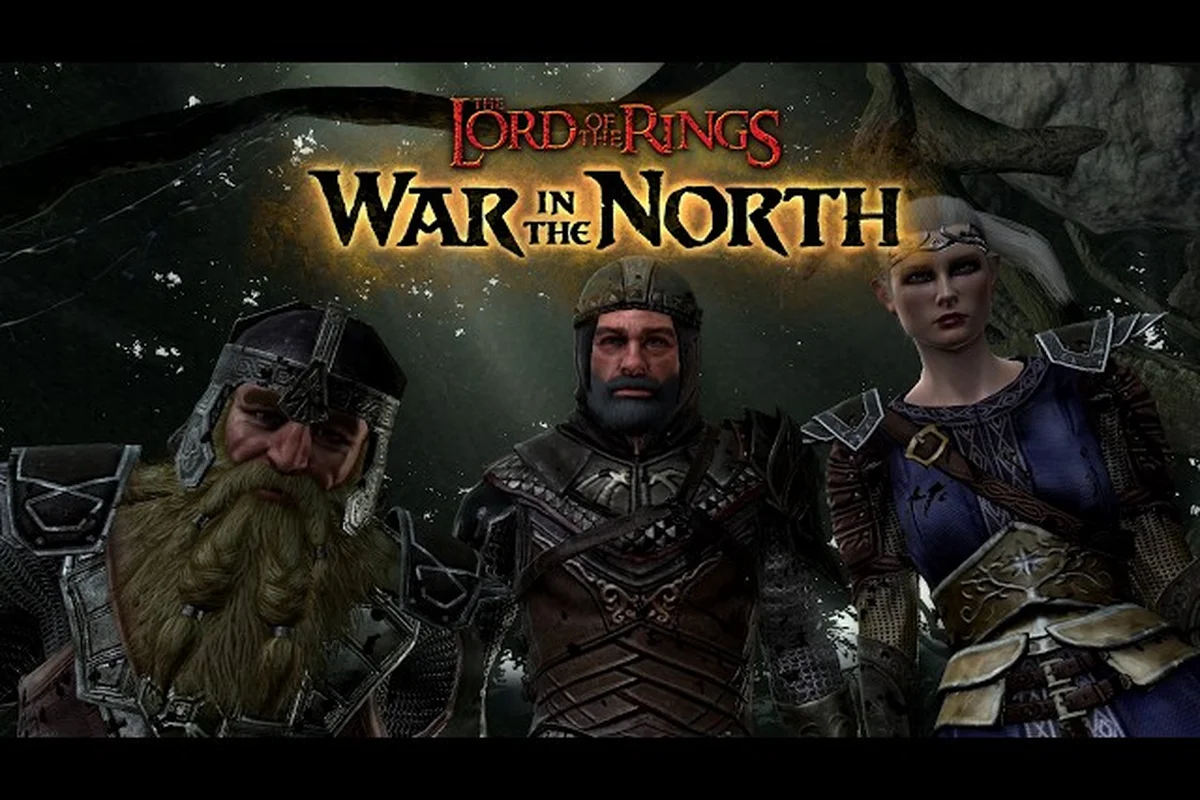
The question of whether War in the North does co-op carry progress is one of the first things players ask before inviting friends into the campaign. The short answer is yes, but the way progression works depends entirely on who hosts the session, which means you need to plan your playthrough carefully if you want to avoid replaying hours of content. Since the Legacy Edition restores online multiplayer for up to three players, understanding the save system now will save you from frustration later.
The host-based save structure is the core mechanic that determines how far you get in a shared campaign. When you join a friend's game, your character's level, skill points, and inventory carry over, but the story progress you make together only saves to the host's file. This matters because your own single-player campaign won't reflect any missions you completed as a guest, so you and your friends need to decide who will host each session before you start playing.
How Host Saves Work in War in the North Co-op
The Legacy Edition keeps the same host-authority save system that defined the original release, which means the player who creates the session controls the campaign's story progression. When you join a friend's game, your character arrives with all the levels, gear, and skill allocations you've earned, but the world state, quest completion, and unlocked areas belong to the host. This creates an interesting dynamic where three players can each have different campaign progress while sharing the same characters.
Here's what transfers between sessions: each player's character level, skill points, equipped gear, and inventory items persist individually, so you keep your personal progression even if you join a different host's game. However, quest progress, story checkpoints, and unlocked waypoints in the campaign are tied exclusively to the host's save file. For example, if your friend's host has reached the Battle of Fornost but you're only at Sarn Ford, you'll join at their story point while retaining your own stats and loot. This means co-op partners can freely level up in a host's session, then return to their solo campaign to continue where they left off, though you'll need to replay any story missions you skipped to unlock them in your own save.
-
Character level and experience — your earned levels stay with your character regardless of who hosts
-
Skill points and talent trees — any points you spend remain allocated to your character
-
Inventory and equipment — all loot you pick up during a session stays in your personal inventory
-
Story mission progress — this only saves to the host's campaign file
-
World exploration — discovered areas and unlocked fast travel points belong to the host only
The practical implication is that if you join a friend who is on Act 3 while your own campaign is still on Act 1, you'll play through Act 3 content as a guest, but your personal campaign won't advance past Act 1. According to community reports on the Steam Community Hub, this catches many players off guard because they assume all progress is shared equally across the party.
Who Should Host Your Co-op Sessions
Deciding who hosts is the most important strategic choice you'll make in a co-op campaign. The host's save file becomes the definitive record of your group's story progress, so the player with the most flexible schedule or the one most committed to completing the campaign should typically take on this role. If you rotate hosts between sessions, you'll end up with fragmented story progress across multiple save files, which makes it difficult to track where you left off.
The session host responsibilities go beyond just creating the game. The host needs to be available for every session, because if the host drops out, the entire session ends and everyone gets disconnected. This means the host should have a stable internet connection and enough time to commit to regular play sessions. Players who can only join occasionally should probably not host, since their absences would block the group's progress entirely.
What Happens to Loot and Character Progression
| Co-op Feature | Original Release (2011) | Legacy Edition (2025) | Notes |
|---|---|---|---|
| Online co-op players | Up to 3 | Up to 3 | Restored after being pulled in 2017 delisting |
| Local split-screen players | 2 | 2 | Unavailable on original Nintendo Switch |
| Crossplay between platforms | N/A | Not supported | Steam, EGS, and GOG are separate player pools |
| 60 FPS on Nintendo Switch | N/A | Not available | Frame rate cap applies to local co-op on Switch |
| Item trading between players | Supported | Supported | Players can swap items with each other |
| Combo chain building | Shared across party | Shared across party | Triggers Hero Mode for the entire party in multiplayer |
When you pick up loot in a co-op session, that gear goes directly into your personal inventory, not the host's. Each player sees their own drops from chests and enemies, which means everyone can build their character independently even while playing through the same story content. This is a significant quality-of-life feature that encourages co-op item sharing between party members who play different classes.
The game also allows players to swap items with each other, which the Wikipedia entry for the game confirms as a core multiplayer feature. This means if you find a weapon that suits your friend's class better than yours, you can trade it to them directly. The trade system works in real-time during gameplay, so you can pass items back and forth without pausing the action.
Here’s a breakdown of how different progression elements behave in co-op, and the key takeaway is that loot and character progression do carry over for the host, but not for joining players in War in the North. When you play online multiplayer, only the host’s game world saves their inventory, XP, and skill points; any loot collected or levels gained by a guest are lost when they return to their own single-player campaign. This means if you are joining a friend’s session, you should treat it as a temporary boost—your character will not retain the gear or talent upgrades (like those from the skill tree) once the session ends. For co-op achievements and playing through the campaign with friends, this quirk is critical: the host controls the persistent save, so plan your sessions so the player who needs the progress hosts the game.
| Progression Element | Host Behavior | Guest Behavior |
|---|---|---|
| Character Level | Saves to host file | Saves to guest file |
| Skill Points | Saves to host file | Saves to guest file |
| Inventory Loot | Saves to host file | Saves to guest file |
| Story Missions | Saves to host file | Does not save |
| World Exploration | Saves to host file | Does not save |
| Achievements | Unlock for both | Unlock for both |
The achievement unlocking mechanic works differently from story progression because achievements trigger based on in-game events rather than save file states. Both hosts and guests earn achievements for completing missions, defeating bosses, and reaching milestones, even if the guest's personal campaign doesn't reflect that progress. This means you can work toward co-op achievements without needing to replay content in your own campaign.
How Character Levels Scale in Multiplayer
The game uses a dynamic scaling system that adjusts enemy difficulty based on the party's average level. If you join a friend who is significantly higher level than you, enemies will be tougher than what you'd face in your own campaign, but you'll also earn experience at a faster rate. This makes co-op an efficient way to level up new characters, since the increased difficulty rewards proportionally more experience points.
Community testing suggests that the level gap tolerance is roughly five levels before the scaling becomes punishing. If you're more than five levels below the host, you'll struggle to contribute meaningfully to combat encounters. If you're more than five levels above, you'll find enemies too weak to provide worthwhile experience. Staying within this range keeps the co-op experience balanced for everyone involved.
Online Multiplayer Setup for the Legacy Edition
Getting your co-op session running requires understanding the platform-specific options available in the Legacy Edition. The game supports online multiplayer for up to three players on Steam, Epic Games Store, and GOG, while console versions offer two-player local split-screen. The RPG Site announcement confirms that online co-op has been fully restored, though crossplay between platforms is not supported.
Before you and your two companions—typically Farin, Eradan, and Andriel—jump into a session, decide who hosts, because War in the North does co-op carry progress only for the host's save file. If a guest joins a host's game, that guest's single-player campaign progress remains untouched; only the host's world state advances, and guest characters revert to their own story chapter when they return to solo play. This means the host should be the player furthest along in the campaign, or the one willing to replay earlier missions, since all three characters level up and share loot, but only the host's narrative milestones—like clearing the Fornost siege—are permanently saved.
-
Steam — supports three-player online co-op with Steam Cloud saves and Remote Play Together
-
Epic Games Store — supports three-player online co-op without crossplay to other platforms
-
GOG — supports three-player online co-op with Galaxy integration
-
Nintendo Switch — supports two-player local split-screen but not online co-op
-
PlayStation and Xbox — support two-player local split-screen with online co-op on newer consoles
The platform limitations matter because they determine how many friends you can play with. If you want the full three-player experience, you all need to own the game on the same platform. The IGN coverage of the Legacy Edition highlights that the online co-op restoration was a major selling point for the rerelease, since the original game's servers were shut down when it was delisted in 2017.
Inviting Friends and Joining Sessions
The invitation system works through your platform's friend list rather than an in-game server browser. The host creates a session from the main menu, selects the campaign chapter they want to play, and then sends invites to friends. Guests receive the invitation through their platform's notification system and can join directly from there.
If you're having trouble connecting, check that all players have the same game version and that any firewall settings aren't blocking the connection. The War in the North co-op guide covers common connection issues and troubleshooting steps in more detail. Most connection problems stem from NAT type restrictions or outdated game versions, so verify those first before assuming the servers are down.
Co-op Achievements and Progression Rewards
The Legacy Edition includes a full suite of achievements that specifically reward multiplayer play, and these work for both hosts and guests regardless of who holds the campaign progress. The Strength of Our Alliance achievement, which requires completing the campaign with three players, is one of the most sought-after co-op achievements because it demands a full party commitment across the entire story.
Here's a breakdown of the main co-op achievements, which are tracked separately from your single-player save and persist only for the host's campaign. When playing online multiplayer, the host's world state dictates which achievements unlock, while clients receive credit for combat and leveling milestones but not story-progression flags. For example, the "Elven Savior" achievement tied to rescuing the Elf camp in the Ettenmoors only triggers if the host completes that objective; a client joining mid-act won't retroactively unlock it. To maximize progress, designate one player as the permanent host for your 3 friends co-op sessions, ensuring all story-based achievements accumulate on a single save file rather than fragmenting across multiple hosts.
| Achievement | Requirement | Difficulty |
|---|---|---|
| Strength of Our Alliance | Complete the campaign with 3 players | Hard |
| United Front | Complete a mission with 2 players | Easy |
| Master of the North | Complete all missions on any difficulty | Medium |
| Legendary Heroes | Complete the campaign on Legendary difficulty | Very Hard |
The co-op achievement tracking works through the platform's achievement system, which means both hosts and guests receive credit for completing multiplayer milestones. This is particularly useful if you're working toward the achievement unlock guide because you can progress multiple achievements simultaneously during a co-op session. The key is ensuring your party stays together for the entire campaign if you want the three-player completion achievement.
How Difficulty Affects Co-op Progression
Difficulty settings in co-op are determined by the host's campaign difficulty, not a per-player setting. This means if the host is playing on Legendary, all guests are locked into that difficulty for the session. The game scales enemy health and damage based on the party size, so a three-player Legendary run is significantly more challenging than a solo Legendary run.
Players who want to earn the Legendary difficulty achievements should coordinate with their party before starting, because you can't change difficulty mid-session. The difficulty achievements guide explains the requirements for each difficulty tier and offers strategies for tackling the hardest settings with a full party. Since guests don't save story progress, you'll need to complete the entire campaign on Legendary while hosting to unlock the associated achievements.
Best Practices for Co-op Campaign Progression
Planning your co-op sessions around the host save system will save you from unnecessary frustration. The most effective approach is to designate one player as the dedicated host for the entire campaign, ensuring that all story progress accumulates in a single save file. This player should be someone who can commit to regular sessions and has a reliable internet connection.
Experienced players recommend a strict progression order: always have the host run the main story missions first, because only the host’s save file permanently records chapter unlocks and the final boss kill. In contrast, joining a friend’s session as a guest does not carry over your character’s level or gear to your own campaign—your progress resets once you return to solo play. To avoid this, use the "Continue" option on your own save before hosting, and complete each chapter’s side objectives (like the "Slayer of the North" feats) in the host’s world to earn shared loot that persists. This ensures your co-op sessions don’t waste time on content you’ll have to replay alone.
-
Designate a permanent host — rotating hosts fragments your story progress across multiple saves
-
Keep levels within five levels of each other — the scaling system punishes large level gaps
-
Share loot strategically — trade gear to complement each other's class builds
-
Coordinate achievement hunting — plan sessions around specific achievements you want to unlock
-
Use voice chat — coordination is essential for the harder combat encounters
The session continuity strategy matters most for long campaigns. If you're playing through the entire story together, treat the host's save file as the single source of truth for your group's progress. The beginner guide offers additional tips for new players who are just starting their co-op journey, including recommended class combinations and early-game skill priorities.
Managing Multiple Campaigns
Some players prefer to run multiple co-op campaigns with different friend groups, which is entirely possible thanks to the host save system. Each host maintains their own campaign file, so you can participate in several different co-op groups without conflicts. Your character's level and gear carry between all of them, which means you can use a highly leveled character to help friends who are still early in their campaigns.
The multi-campaign approach works well if you have different friend groups with different play schedules. You might have a serious campaign with one group that meets weekly and a casual campaign with another group that plays sporadically. Since each host's save tracks their own progress, you can jump between these groups freely without worrying about one campaign overwriting another.
Frequently Asked Questions
Does War in the North co-op carry progress for guests?
Guests keep their character level, skill points, and inventory, but story mission progress only saves to the host's campaign file. If you join a friend's game, you'll play through their story content, but your own campaign won't reflect those completed missions. Plan accordingly if you want your personal campaign to advance.
Can I play War in the North with 3 friends?
Yes, the Legacy Edition supports online co-op for up to three players on Steam, Epic Games Store, and GOG. Console versions support two-player local split-screen, and the Nintendo Switch only offers local co-op without online multiplayer. Crossplay between platforms is not available, so all players must own the game on the same platform.
What happens if the host leaves a co-op session?
The session ends for all players when the host disconnects, and any progress made during that session is saved to the host's file. Guests return to their own campaign with the loot and experience they earned, but any story missions completed during the session only count for the host. This is why choosing a reliable host is so important.
Do co-op achievements unlock for both hosts and guests?
Yes, achievements trigger based on in-game events and unlock for all players in the session, regardless of whether they are hosting or joining. This means guests can earn co-op achievements without having the corresponding story progress in their own campaign. The three-player completion achievement requires a full party for the entire campaign.
How do I transfer my character between different co-op groups?
Your character data is saved locally, so it carries over automatically whenever you join another host's session. Level, skills, and gear persist across all co-op campaigns, making it easy to help friends at different stages. Note that Legacy Edition offers no crossplay between Steam, EGS, and GOG platforms.