
Skills
Every War in the North skill tree explained — melee, ranged and defensive stances, Hero Mode combos, Beleram's summon and the leveling math behind strong builds.
Introduction
Every hero in War in the North grows through three skill stances — melee, ranged and defensive — each with its own tree of unlockable abilities. Stance skills shape how a hero fights: Eradan's melee tree builds deadly greatsword combos while his ranged tree turns the bow into a critical machine, Andriel's trees expand her spell repertoire, and Farin's trees make him an unbreakable frontline. Beyond the stances, the combo-driven Hero Mode rewards aggressive play with a temporary party-wide damage burst, and summoning the Great Eagle Beleram can turn the tide of the toughest outdoor battles. This section explains every tree, the leveling math behind strong builds and how abilities interact in co-op.
Stance & Ability Overview
| Stance | Focus | Example Abilities | Best Hero |
|---|---|---|---|
| Melee Stance | Combo chains and Hero Mode | Heavy finishers, charge attacks, whirlwind strikes | Farin |
| Ranged Stance | Bow and crossbow damage | Headshot criticals, aimed shots, quick shot | Eradan |
| Defensive Stance | Survivability and control | Block, parry timing, damage reduction | All heroes |
| Hero Mode | Party damage burst | Triggered by high combo chains | Shared across party |
Stance Breakdown
Melee Stance
Aggressive combos that build Hero Mode
Ranged Stance
Bow and crossbow damage with critical focus
Defensive Stance
Block, parry and damage reduction
Hero Mode
The combo-triggered party damage burst
Core Mechanics
The skill system revolves around the three stances. Each hero can invest skill points into any stance, and the points you spend unlock new abilities, passives and stat bonuses within that tree. Stance switching is a core combat mechanic: a melee stance favours aggressive combos, a ranged stance improves bow and crossbow attacks, and a defensive stance raises survivability with block and parry bonuses. The combo system rewards mixing light and heavy attacks without taking damage — every hit fills your combo meter, and at full meter you can trigger Hero Mode, a powerful temporary damage boost. In co-op, Hero Mode chains across players, so coordinating your triggers creates extended windows of massive party-wide damage.
Advantages
The stance system gives every hero real build variety. You are not locked into a single playstyle per hero — Eradan can be built as a bow sniper, a greatsword duelist or a hybrid, and each tree supports a different fantasy. Skill points are generous enough to specialise in two stances comfortably by the end of the campaign, and the Legacy Edition makes respeccing straightforward. The combo and Hero Mode mechanics reward skilled play without punishing casual players, and the shared Hero Mode in co-op creates a strong incentive to coordinate with your party. Beleram's summon adds a dramatic, screen-clearing option for outdoor fights that no other ability matches.
Challenges
Skill trees can be overwhelming because there are three heroes and three stances each, and the game does not always explain the synergies clearly. Points are also the most finite resource in the game — you earn one skill point per level, so a badly planned tree can leave your hero underpowered in the mid-game. Hero Mode requires you to build and hold a combo without taking a hit, which is hard against aggressive enemies and nearly impossible in chaotic co-op fights. Finally, Beleram's summon has a limited number of uses per level and can only be called outdoors, so you cannot rely on it inside dungeons or boss arenas that take place indoors.
Frequently Asked Questions
How do skill points work?+
How do I trigger Hero Mode?+
How does summoning Beleram work?+
Quick Tips
Do not spread your skill points across all three stances. Specialise in two that support your build — for example, Eradan's ranged and stealth trees for a bow assassin, or Farin's melee and defensive trees for a tank. A focused tree unlocks the high-tier abilities that make the build work, while a scattered one leaves you with only weak early skills.
Master the block and parry timing early. The defensive stance is not just for tanks — every hero benefits from knowing when to raise a shield or time a parry to stop an enemy combo cold. Practicing against the trolls and wargs in the opening chapters teaches you the timing windows you will need for the bosses later.
Coordinate Hero Mode with your co-op party. If all three players trigger their Hero Mode in sequence rather than at once, you extend the party-wide damage window and can burn a boss from full health. Communicate when your meter is full and let the player with the best positioning activate first.
Save Beleram's summon for outdoor boss fights and large ambushes. Using him on random trash packs wastes his limited charges, and his area damage is most valuable when it clears an entire encounter or interrupts a boss's attack phase in one move. Save Beleram's summon for outdoor boss fights and large ambushes rather than using it on random patrols. His charges are limited per level and the ability only works outdoors, so spending it on trash wastes your strongest area-damage tool before a fight that actually needs it.
Featured
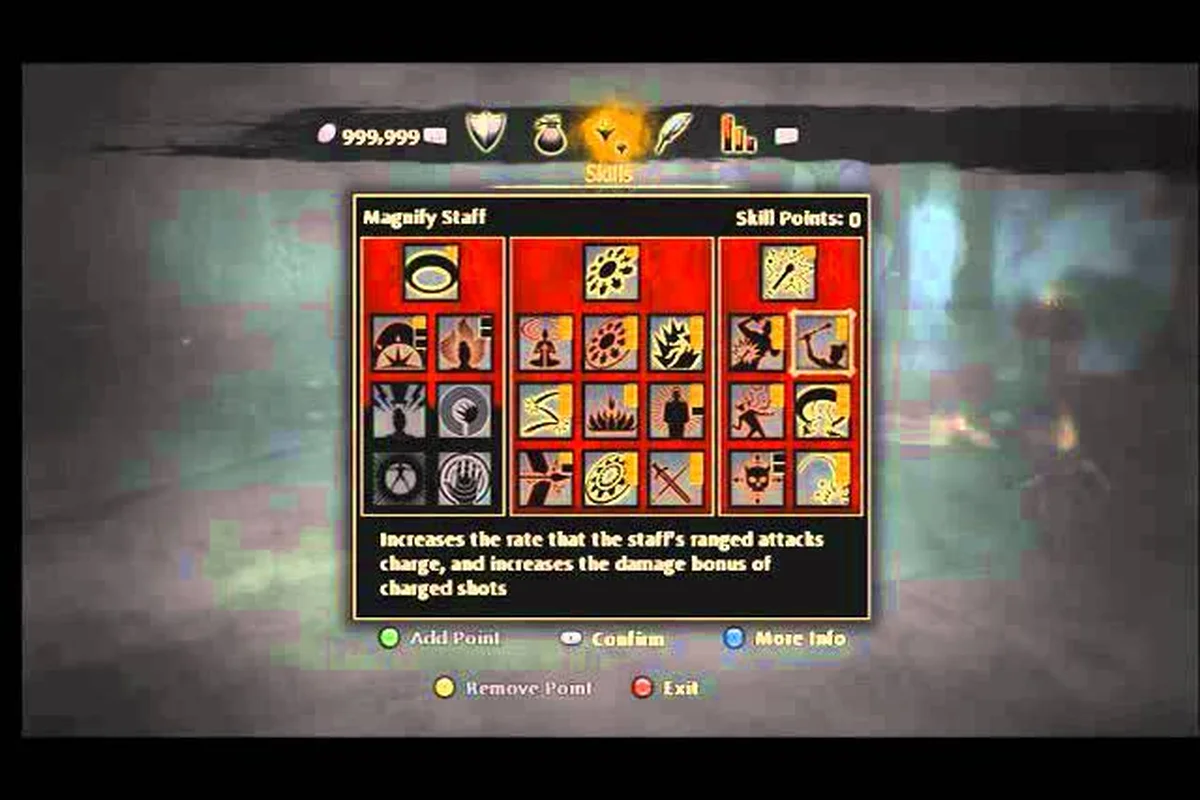
War in the North skill tree: melee, ranged, defensive
Explore the War in the North skill tree with melee, ranged, and defensive stances for each hero. Master Hero Mode combos and Beleram's eagle summon.
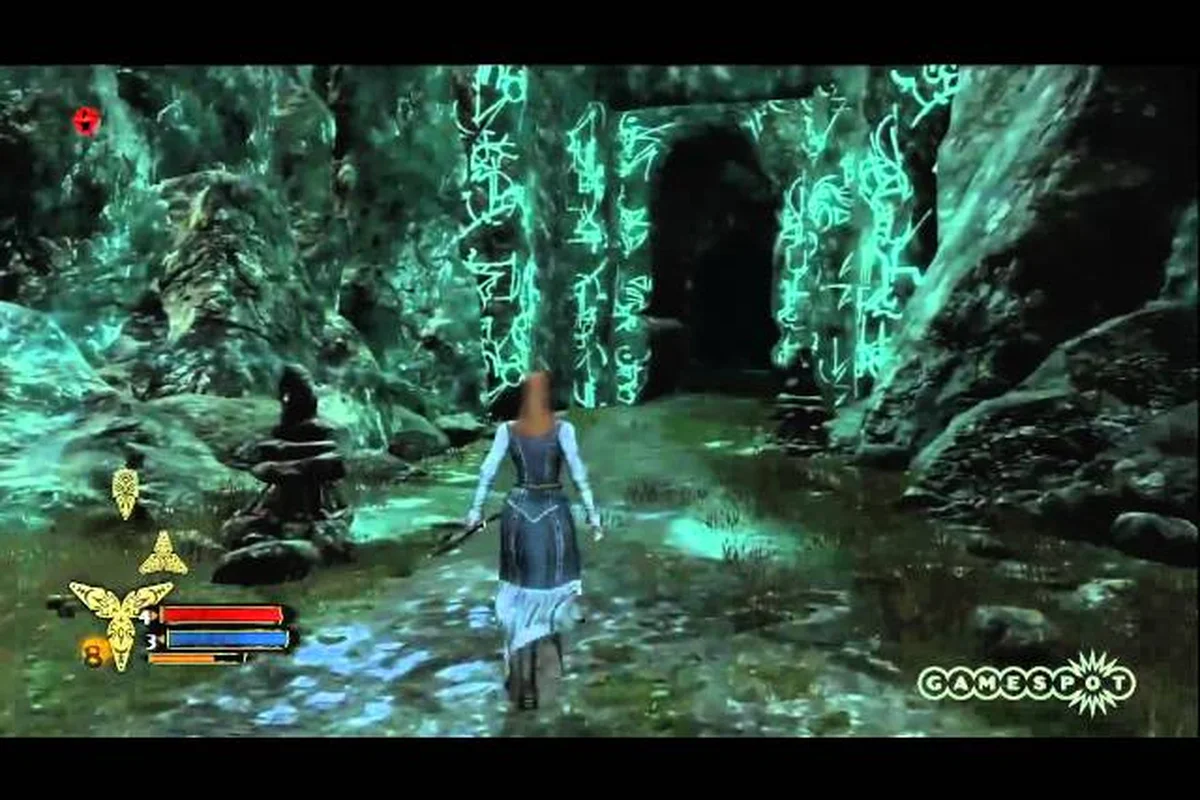
War in the North Andriel spells: staff and healing magic
Master War in the North Andriel spells for magical damage and healing. Use staff attacks, target locking, and Hero Mode to dominate battles as the elven.

War in the North how to trigger Hero Mode with combos
Master War in the North how to trigger Hero Mode by chaining hits without taking damage. Learn stance combos, Beleram's eagle summon, and Legacy Edition.
All Articles
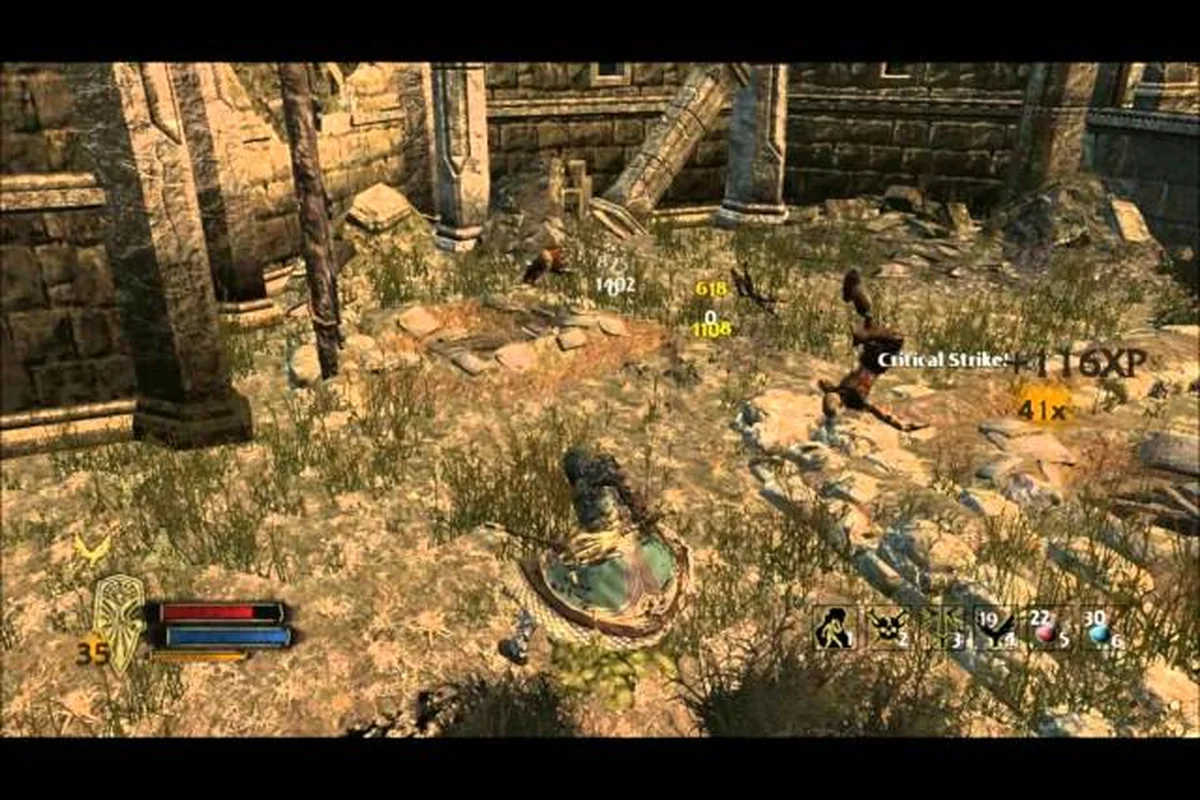
War in the North roll mechanics for dodging and combos
Learn War in the North roll mechanics for dodging, plus charge attacks, heavy attacks, and light combos. Master the stance system to unlock powerful abilities.
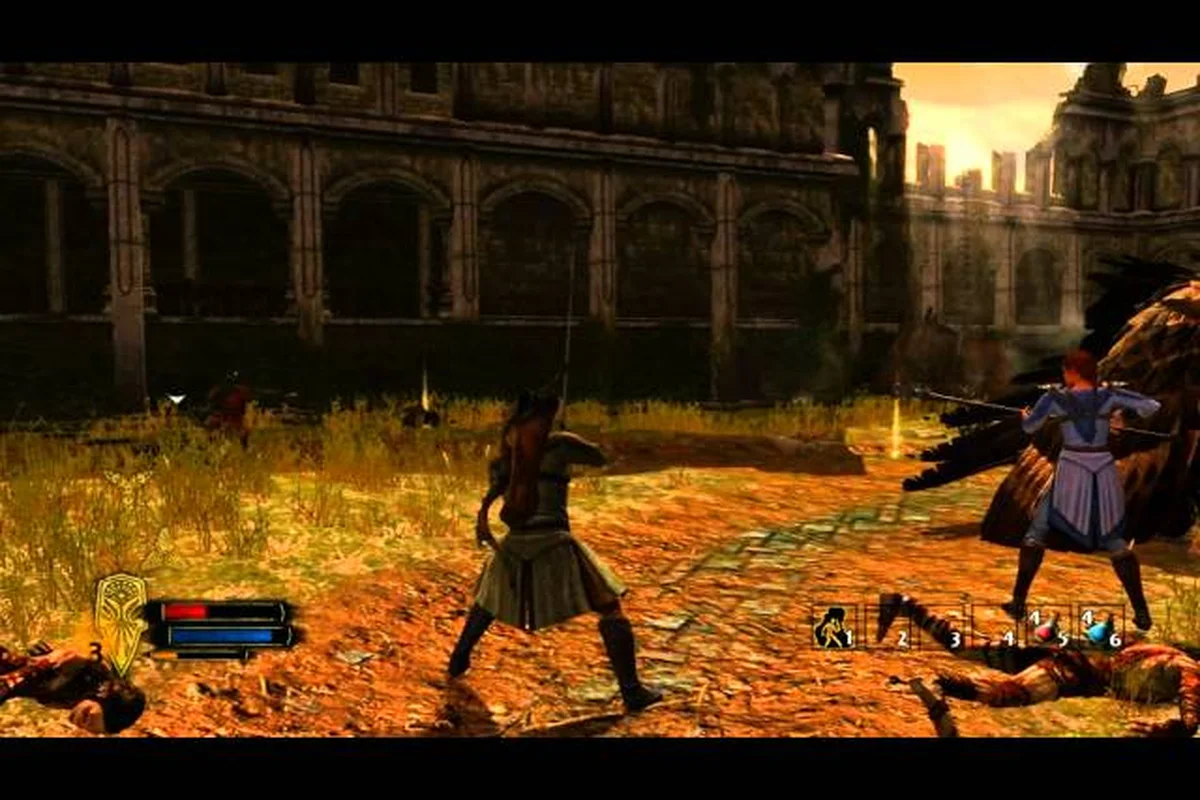
War in the North how to summon Beleram outdoors guide
Discover War in the North how to summon Beleram for massive single-target damage. Learn limited uses, story impact, and skill respec options to maximize.
War in the North skill points explained: tree unlocks
Understand the War in the North skill points explained breakdown: each level grants 3 stat points and 1 skill point. Optimize Eradan, Andriel, and Farin builds.
War in the North passive skills for crits and parries
Explore War in the North passive skills covering critical strikes, headshots, parry timing, and dodges. Weave these into combat for consistent damage.