
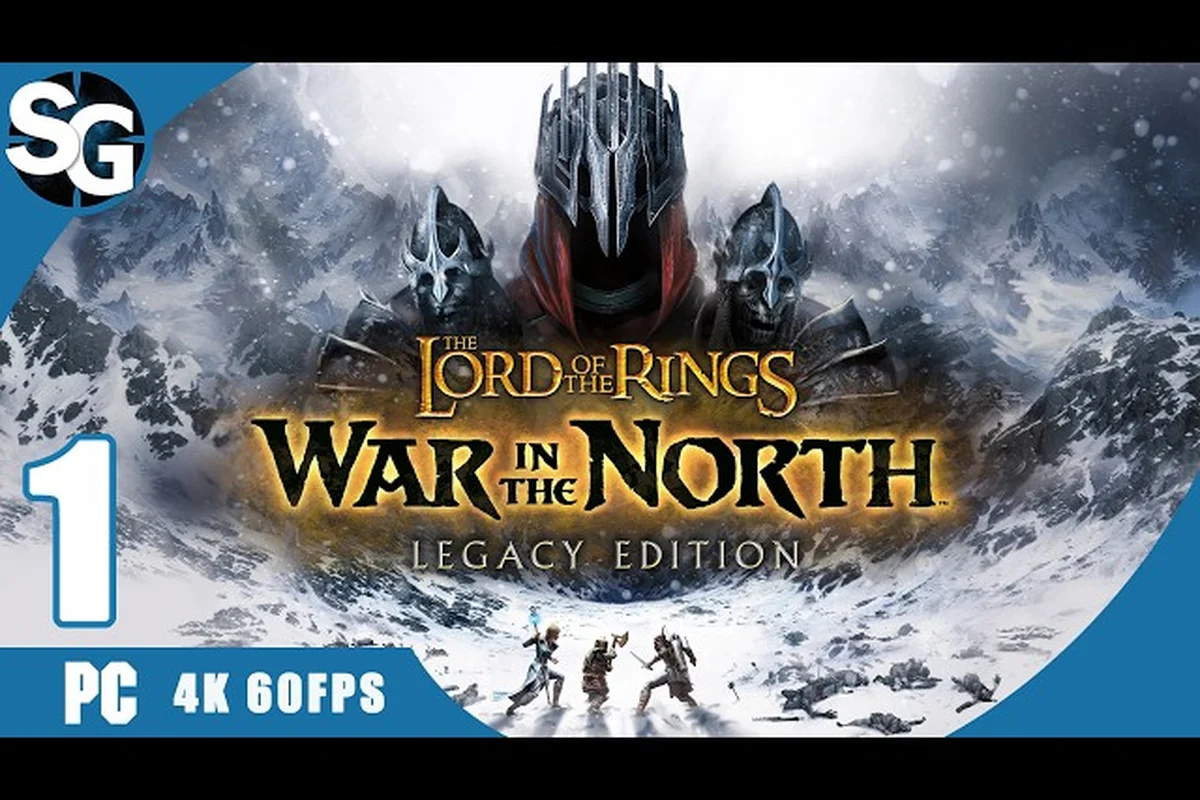
The Lord of the Rings: War in the North - Legacy Edition finally brings the beloved 2011 action RPG back to modern platforms, and the headline feature is restored online co-op for up to three players. If you are wondering whether War in the North remote play together works smoothly on Steam, or whether you can team up with friends on different storefronts, this guide breaks down everything you need to know before you and your fellowship charge into Fornost. We will cover the exact co-op modes, crossplay limitations, save progression rules, and the best ways to connect with friends — because knowing these details upfront saves you from frustrating session setups later.
Understanding War in the North remote play together on Steam
Steam Remote Play Together vs. Native Online Co-op: Latency and Hosting Differences
When you use War in the North remote play together, the host's machine renders all three characters, meaning the two guests stream video at the host's framerate. Native online co-op via Steam, EGS, or GOG offloads rendering to each player's PC. For the 3-player Strength of Our Alliance achievement, Remote Play is viable, but a guest with a 60 FPS display will experience the host's frame pacing. Native co-op is preferable if any player has a high-refresh monitor, as Remote Play caps everyone at the host's output. This makes Remote Play a poor fit for mixed-refresh setups, and if you're weighing that against the risk of host disconnects ending a session, our breakdown of War In The North Does Co Op Carry Progress clarifies whether progression is saved per-host, which is the deciding factor for many groups.
How the Shared Combo Chain and Hero Mode Trigger Differ in Remote Play
In multiplayer, all three players contribute to a single combo chain, and filling it triggers Hero Mode for the entire party. During a Remote Play session, input latency from streaming can disrupt the chain timing. A guest with 50ms added latency must lead their attacks earlier than the host to keep the chain alive. The class-specific secrets—each character finds doors only they can open—require all three players to be present, so a lagging guest can bottleneck progression in areas like the Barrow-downs.
The Legacy Edition marks the first time the full campaign is playable online since the original was delisted in 2017, and Steam is the most popular hub for this revival. According to the official Steam store page, the game supports Single-player, Online Co-op, Shared/Split Screen Co-op, Steam Achievements, Steam Cloud, Remote Play Together, and Family Sharing. That means you have multiple ways to bring friends into your campaign, but each method carries different requirements and limitations that are worth understanding before you commit to a session.
The most direct approach is native online co-op, which lets you host a game and invite up to two friends who also own the Legacy Edition on Steam. This is the cleanest experience because it uses the game's built-in networking, so voice chat, matchmaking, and progression hooks all work as intended. However, if your friends do not own the game, Steam Remote Play Together becomes your best fallback — it streams the host's screen to guests, letting them join with controllers or keyboard input without purchasing a copy.
| Co-op Method | Players | Requirements | Best For |
|---|---|---|---|
| Native Online Co-op | 2-3 | All players own the game on Steam | Full campaign runs with individual saves |
| Steam Remote Play Together | 2-3 | Host owns the game; guests need stable internet | Trying the game before buying |
| Local Split-Screen | 2 | Same PC, two controllers | Couch co-op on a single screen |
| LAN Play | 2-3 | Same local network | Low-latency sessions without internet |
Because the game does not support cross-platform multiplayer, Steam Remote Play Together is the only way to include friends who are on different operating systems or who do not own the Legacy Edition. The host's machine does all the heavy lifting, so a solid upload speed of at least 10 Mbps is recommended for a smooth experience, and guests should ideally be on a wired connection to minimize input lag.
War in the North crossplay: what works and what does not
A common question from players returning to Middle-earth is whether War in the North is co-op crossplay between Steam, Epic Games Store, and GOG. The short answer is no — the Legacy Edition does not support cross-platform co-op, which means a Steam player cannot join a session hosted on GOG or EGS. This limitation was confirmed in the RPG Site announcement coverage, which noted that online co-op returns via Steam, EGS, and GOG, though there is no crossplay between platforms.
This is a significant constraint if your friend group is split across storefronts, because it forces everyone to buy the game on the same platform to play together online. The one workaround is Steam Remote Play Together, which bypasses the need for guests to own the game at all — they simply join through your Steam friend list and play via streaming. That said, Remote Play Together only works if the host is on Steam, so if you bought the game on GOG, you cannot use this feature to bring Steam-only friends into your session.
| Platform Pair | Crossplay Supported | Workaround |
|---|---|---|
| Steam + Steam | Yes | Native online co-op |
| Steam + EGS | No | Remote Play Together (Steam host only) |
| Steam + GOG | No | Remote Play Together (Steam host only) |
| EGS + GOG | No | None — must rebuy on same platform |
| PC + Console | No | None — no cross-generation support |
Community reports on the Steam Community Hub confirm that players are actively organizing sessions for the three-player co-op achievement Strength of Our Alliance, which proves the online functionality works reliably across different regions. If you are planning a full campaign run with two friends, make sure everyone owns the game on the same storefront before you schedule your session, because there is no way to bridge different platforms.
Remote Play Save Data and Host Ownership Rules
Understanding how progression carries through co-op sessions is essential, because the Legacy Edition handles saves differently than many modern games. According to community testing and the Wikipedia entry on the game's co-op mode, each player retains their own character level, gear, and skill points regardless of who hosts the session. This means you can join a friend's game, level up your character, and keep all of that progress when you return to your own campaign.
The host's world state determines which chapter you play, so if you join a friend who is in Chapter 3, you will play Chapter 3 missions even if your own campaign is only at Chapter 1. However, any loot, experience, and items you collect during that session carry back to your solo save, which makes joining higher-level friends a great way to accelerate your own progression. The one caveat is that story progression — meaning which chapters are marked complete in your own campaign — only advances when you host the session yourself.
| Progression Element | Carries to Your Save | Notes |
|---|---|---|
| Character Level | Yes | Experience earned in co-op applies to your character |
| Gear and Items | Yes | All loot stays in your inventory |
| Skill Points | Yes | Unlocked abilities persist across sessions |
| Story Chapter Progress | No | Only the host's campaign advances |
| Achievements | Yes | Unlocks trigger for all players in the session |
This system is generous compared to many co-op games, because it means you never lose progress by joining a friend's game. The co-op progress model rewards playing with others, since you can farm rare gear in higher-level zones and bring it back to your solo run. Just remember that the host controls the story direction, so if you need to complete a specific chapter for your own campaign, you should host that session yourself.
Setting up War in the North steam remote play co-op sessions
The Two-Player Split-Screen Cap and Its Remote Play Workaround
The Legacy Edition restores two-player local split-screen, but the original Nintendo Switch version lacks this mode and 60 FPS support. On PC, you can bypass the two-player cap by combining split-screen with Remote Play Together: Player 1 and Player 2 share the host's screen locally, while Player 3 joins via Remote Play as a streaming guest. This effectively creates a three-player session where only two characters render natively, reducing the host's GPU load compared to three full renders.
Item Swapping and Class-Specific Secrets in a Three-Player Remote Play Session
Item swapping between players works identically in Remote Play and native co-op, but the trade window pauses the game, which masks streaming latency. This makes Remote Play ideal for distributing class-specific gear, such as Farin's heavy armor or Eradan's rogue daggers, without timing pressure. However, the host must carry the save file, as progress and inventory are tied to the host's campaign. Guests who disconnect lose any un-traded items, so swap valuable loot before a session ends.
Getting a Remote Play Together session running is straightforward, but a few settings can make the difference between a smooth experience and a laggy mess. First, both the host and guests need to be Steam friends, and the host must have the Legacy Edition installed and launched. Once you are in the main menu, open your Steam overlay with Shift+Tab, find the friend you want to invite, and click the Remote Play Together button — this sends an invitation that lets them join your session directly.
For the best experience, the host should close bandwidth-heavy applications like streaming services or large downloads, because Remote Play Together relies on your upload speed to stream the game to guests. According to player reports, a wired connection is strongly preferred, and guests should also use Ethernet if possible to reduce input latency. If you are playing with two guests, the host needs even more bandwidth, so consider lowering the streaming quality in Steam's Remote Play settings if you notice stuttering.
-
Enable hardware encoding in Steam Settings > Remote Play to reduce CPU load on the host machine.
-
Set a bandwidth limit of 20 Mbps or higher for guests with good internet connections.
-
Use the "Fast" preset for guests on slower connections, though this reduces visual fidelity.
-
Test your connection with Steam's built-in network test before starting a session.
-
Assign controllers to guests through Steam Input if they are using gamepads.
One important detail is that Remote Play Together does not support the game's native three-player online co-op — it simply streams the host's screen, so all guests are essentially sharing the host's instance. This works fine for two-player sessions, but with three players, the host's machine must render the game while handling two streams, which can strain mid-range PCs. If you have a powerful rig with a modern GPU, this is rarely an issue, but players on older hardware should stick to native online co-op with friends who own the game.
Best practices for War in the North co-op campaign runs
Once you have your session running, a few strategies can make your co-op campaign more enjoyable and efficient. The game's class system — Mage, Champion, and Ranger — encourages complementary builds, so coordinate with your friends to cover different roles. A Champion tanking in melee while a Ranger picks off enemies from range and a Mage controls crowds with elemental spells creates a balanced party that handles most encounters without excessive downtime.
Communication is also critical, because the game features Hero Mode — a combo chain that triggers when all three players build melee attacks together. According to the Wikipedia entry, in multiplayer all three players build the combo chain together, which triggers Hero Mode for the entire party. This mechanic rewards coordinated aggression, so call out when you are building your combo meter and time your attacks to maximize the shared damage bonus.
| Class | Primary Role | Co-op Synergy |
|---|---|---|
| Champion | Melee tank | Draws aggro while teammates deal damage |
| Mage | Crowd control | Freezes or burns groups for easy kills |
| Ranger | Ranged DPS | Picks off priority targets from a distance |
Another key detail is that each character finds class-specific secrets that only they can open, so exploring with a full party yields more loot than solo runs. Make sure everyone checks their class-specific interactable objects, because these often contain unique gear that cannot be obtained in solo play. If you are hunting for the Strength of Our Alliance achievement, which requires completing a mission with three players, coordinate a full party session and stick together through the entire chapter.
Frequently Asked Questions
Does War in the North remote play together work if my friend does not own the game?
Yes, Steam Remote Play Together lets a friend join your session without purchasing the Legacy Edition. The host streams the game to guests, who can play with controllers or keyboard input. However, guests need a stable internet connection, and the host's upload speed determines the streaming quality.
Is War in the North is co-op crossplay between Steam and Epic Games Store?
No, the Legacy Edition does not support cross-platform co-op. Steam players can only join other Steam players, and the same applies to EGS and GOG. The only workaround is Steam Remote Play Together, which requires the host to own the game on Steam.
How do War in the North co-op saves work when I join a friend's game?
Your character retains all level, gear, and skill progress earned in co-op sessions, even when you join a friend's game. However, story chapter progression only advances for the host, so you must host the session to complete chapters in your own campaign.
Can I play the full campaign in War in the North co-op mode?
Yes, the entire campaign is playable in co-op with up to three players online or two players in local split-screen. The Legacy Edition restores the online co-op that was removed when the original was delisted in 2017, so you can experience every chapter with friends.
What is the best class setup for a three-player War in the North co-op run?
A balanced party of Champion, Mage, and Ranger covers all combat roles effectively. The Champion tanks melee damage, the Mage controls crowds with elemental spells, and the Ranger deals ranged damage. This composition also maximizes the shared combo chain that triggers Hero Mode for the entire party.