
Playing The Lord of the Rings: War in the North - Legacy Edition entirely on your own changes how you approach every fight, every skill point, and every piece of loot you pick up. A War in the North solo build isn't just about picking the strongest hero — it's about building a self-sufficient trio that can survive without human backup, which matters because the game's difficulty assumes you have three capable fighters on the field at all times. The Legacy Edition remaster makes this more viable than ever with its improved AI behavior and full party control, so you can finally experience the entire campaign solo without feeling like you're fighting the game's systems as much as its orcs.
Building Your Solo Foundation with Hot-Swap Mechanics
The core of any successful War in the North solo build revolves around the hot-swap system, which the Legacy Edition restores and refines from the 2011 original. You control three heroes — Eradan the Dúnedain Ranger, Andriel the Elven Loremaster, and Farin the Dwarven Champion — and you can switch between them at any moment during combat. This isn't a gimmick; it's your primary survival tool when playing alone, because each character brings a distinct toolkit that covers the others' weaknesses.
According to the Legacy Edition Steam Store Page, each hero has a separate skill tree covering melee, ranged, and defensive stances, which means you're essentially managing three builds simultaneously. The key insight for solo play is that you don't need to specialize each character for maximum damage — you need them to cover each other's gaps.
Earendil the Elf and Farin the Dwarf anchor your survivability with their crowd-control and heavy-hitting combo finishers, while Andriel’s Loremaster skills deliver the burst damage needed to melt elite Uruk-hai before they close the gap. For a solo War in the North build, this trinity lets you hot-swap between heroes mid-combat to trigger class-specific finishers and manage aggro, ensuring your level cap progression isn’t stalled by a single unlucky hit. Prioritize Earendil’s Swift Bow for ranged pulls, then swap to Farin to execute a Shield Bash stun, setting up Andriel’s Lightning Storm for maximum single-target output.
-
Eradan brings stealth-based skills, bow precision, and the ability to track Ranger trails to secret stashes, making him your scout and ranged damage dealer
-
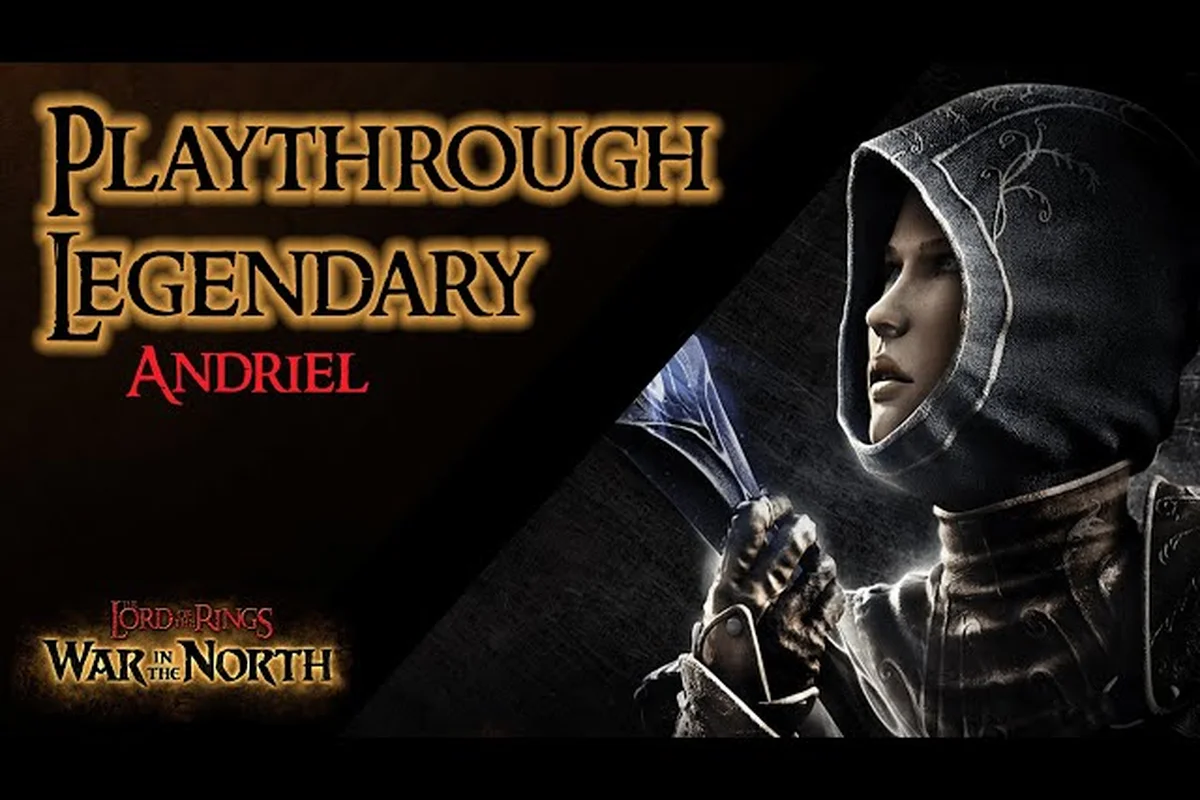
Andriel provides magical support with healing spells, area-of-effect damage, and alchemy potion crafting, making her your sustain engine
-
Farin delivers tank-like durability and devastating melee attacks, serving as your frontline wall and crowd-control specialist
The hot-swap mechanic means you're never locked into one playstyle, which is why the character customization system becomes so important. You'll want to distribute your attention across all three skill trees rather than dumping everything into one hero, because the AI-controlled companions in solo mode will use whatever you've given them.
Understanding AI Companion Behavior in Solo Mode
The Legacy Edition adds full leveling control of AI companions, letting you assign equipment, skills, and abilities for CPU-controlled allies. This is a game-changer for solo players, because the original game's AI was notoriously unreliable. Community reports suggest the improved AI behavior means you no longer need to babysit your companions in solo play, but you still need to build them intelligently.
When you're not actively controlling a hero, the AI takes over with a simplified behavior pattern. The AI companions will attack enemies, use basic skills, and attempt to revive you when you fall, but they won't optimize their rotations or position themselves strategically. This means your War in the North solo build needs to account for AI limitations — you can't rely on your companions to execute complex combos or retreat from danger.
Instead, you should build your AI-controlled heroes with passive survivability in mind. Prioritize skills that trigger automatically, passive stat boosts, and defensive abilities that don't require active decision-making. Your active hero, on the other hand, can carry more situational skills that require manual timing.
Stat Allocation and Leveling Strategy for Solo Play
Understanding the War in the North character levels system is crucial before you start spending points. Each level-up grants 3 stat points distributed among strength, will, stamina, and dexterity, plus 1 skill point for the skill tree. This means by the time you hit the War in the North max level, you'll have a significant pool of points to work with, but how you allocate them dramatically affects your solo viability.
The War in the North level cap sits at 50, which gives you 147 stat points and 49 skill points to distribute across your three heroes. That's roughly 49 stat points and 16 skill points per character if you spread them evenly, though you'll likely want to prioritize your active hero slightly more.
Each stat governs a distinct combat pillar: Might boosts your melee damage and lets you break enemy shields faster, Vitality raises your health pool and reduces the impact of the brutal enemy burst damage common in the North, Agility increases your critical hit chance and dodge speed, and Will powers your special abilities and reduces cooldowns. For a solo War in the North build, Vitality is non-negotiable—since you lack a co-op partner to revive you, a 20% health buffer often means the difference between surviving a troll's ground slam and restarting from the last checkpoint. Prioritize Vitality to 30 before touching other stats, then split the rest between Might and Agility to maintain kill speed without sacrificing survivability.
| Stat | Primary Effect | Solo Priority | Reasoning |
|---|---|---|---|
| Strength | Melee damage, physical defense | Medium | Needed for Farin and melee-focused Eradan builds |
| Will | Magic damage, healing power, resistance | High | Andriel's healing scales with this, making it your sustain stat |
| Stamina | Health pool, stamina regeneration | High | More health means more room for error when AI companions falter |
| Dexterity | Ranged damage, critical chance, dodge | Medium | Important for Eradan but less critical for overall survival |
For a solo-focused playthrough, you want to bias toward stamina and will across all three characters, because survivability and healing output matter more than raw damage when you can't rely on human coordination. Your damage will naturally scale through skill tree investments and better gear, but a dead hero deals zero damage. If you're leaning into a tankier frontline to keep that damage alive longer, our War In The North Dwarf Build shows exactly how to layer defensive talents with healing synergies so your survivability stats translate directly into sustained output.
Skill Tree Priorities Per Character
Each hero's skill tree offers different paths, and your choices should reflect the solo reality of your playthrough. The War in the North character customization system lets you respec, but you'll want to get it right the first time to avoid wasting resources.
For Eradan, focus on stealth-based skills that let you open fights with critical strikes, plus any passive that increases your dodge chance or attack speed. The yellow indicator critical strike mechanic — where a yellow indicator appears over an enemy's head — becomes your primary damage window, so skills that increase critical damage or make the indicator appear more frequently are high-value picks.
For Andriel, prioritize healing spells first, then area-of-effect damage. Her alchemy potion crafting is also invaluable for solo play, since potions can supplement your healing when her spells are on cooldown. The will stat directly amplifies her healing output, which is why it's your most important stat across the board.
For Farin, build toward defensive abilities and crowd control. His tank-like durability is your safety net when things go wrong, and skills that let him taunt enemies or reduce incoming damage will keep your squishier heroes alive. Don't neglect his damage entirely, though — he needs to hold aggro effectively.
Self-Sustain Techniques That Keep Your Party Alive
The biggest challenge of a War in the North solo build is managing resources across three characters without human coordination. You can't call out for heals or coordinate crowd control, so your build needs built-in sustain mechanisms that work passively or with minimal input.
Your primary sustain tools break down into three categories, and each one behaves differently depending on your War in the North solo build. Health potions are your reactive safety net, but with only a limited carry capacity, you cannot rely on them for sustained fights. Life-drain abilities, such as Farin’s leeching attacks, offer proactive recovery but scale with your damage output. Passive regeneration, meanwhile, is slow and best used between encounters rather than mid-combat. Understanding which category your build leans on will determine how aggressively you can push through enemy camps.
-
Active healing from Andriel's spell tree, which requires you to hot-swap to her periodically to cast heals
-
Passive regeneration from gear, potions, and certain skill tree nodes that trigger automatically
-
Damage mitigation through defensive skills, blocking, and positioning that reduces incoming damage in the first place
The most effective solo strategy combines all three. You'll want Andriel's healing spells as your emergency button, but you shouldn't rely on them as your primary sustain — that would require constant hot-swapping that breaks your combat flow. Instead, build passive regeneration through gear and potions, and use Andriel's spells only when things get dicey.
Potion Crafting and Resource Management
Andriel's alchemy potion crafting is one of the most underrated systems for solo play. According to community data, potions can provide significant healing, mana restoration, and temporary buffs that bridge the gap between your active abilities. You'll want to stock up on health and mana potions before every major encounter, and craft them whenever you have spare ingredients.
Here's a comparison of sustain options available to solo players: potion spam through crafted Lothlórien healing draughts offers raw burst recovery but drains your dwindling elf-stone reserves fast, while the Ranger's "Battle-Fever" passive (unlocked at character level 12) provides steady, resource-free regeneration that scales with your max level. Since the War in the North level cap sits at 50 and enemy damage spikes sharply in the Ettenmoors, most solo builds favor stacking vitality gear alongside the "Second Wind" trait—this hybrid approach lets you survive prolonged fights without chugging through your entire alchemy stockpile, which is critical when you're cut off from co-op support.
| Sustain Method | Resource Cost | Activation | Solo Effectiveness |
|---|---|---|---|
| Andriel's Healing Spells | Will-based mana | Manual hot-swap | High, but interrupts combat flow |
| Health Potions | Crafting ingredients | Instant use | Very High, no hot-swap needed |
| Passive Regen Gear | Gear slots | Automatic | Medium, slow but consistent |
| Farin's Defensive Stance | Skill points | Manual activation | Medium, requires proactive play |
The key takeaway is that you want a mix of all four, with potions serving as your primary sustain and Andriel's spells as backup. This lets you stay in control of your active hero for longer stretches without constantly hot-swapping to manage health bars.
Advanced Solo Strategies for Tough Encounters
| Stat | Eradan (Ranger) | Andriel (Loremaster) | Farin (Champion) |
|---|---|---|---|
| Primary Weapon | Bow, two-handed sword, sword+shield, dual one-handed swords | Staff + shield or one-handed weapon | Two-handed axes, one-handed weapons |
| Role in Solo Play | Stealth-based skills, tracks Ranger trails to secret stashes | Offensive/defensive spells, alchemy potion crafting, finds elven glyph passages | Tank-like durability, devastating melee attacks |
| Skill Tree Focus | Melee, ranged, defensive stances | Melee, ranged, defensive stances | Melee, ranged, defensive stances |
| Stat Point Allocation per Level-Up | 3 points (strength, will, stamina, dexterity) | 3 points (strength, will, stamina, dexterity) | 3 points (strength, will, stamina, dexterity) |
| Skill Points per Level-Up | 1 | 1 | 1 |
| Legacy Edition AI Control | Full equipment, skills, and abilities assignment | Full equipment, skills, and abilities assignment | Full equipment, skills, and abilities assignment |
Once you've established your War in the North solo build fundamentals, you'll need advanced strategies for the game's tougher encounters. Boss fights and large-scale battles test your ability to manage three heroes effectively, and the AI companions won't always make optimal decisions.
The most important advanced technique is pre-fight positioning. Before engaging a tough enemy group, hot-swap to each hero and position them strategically — Farin in front to absorb aggro, Eradan at range for critical strikes, and Andriel slightly behind to avoid melee pressure. This pre-combat setup dramatically improves your odds because the AI companions will maintain their starting positions until combat begins.
During fights, you'll want to adopt a rotation pattern that cycles through your heroes based on the situation: for a solo build, this typically means opening with Eradan's Elven Cloak stealth to land a critical backstab, then swapping to Farin to lay down a trap or use his Heavy Shield Bash to stagger a Uruk captain before he lands a power attack, and finally switching to Andriel to drop a healing spring or unleash a lightning spell to clear adds—this sequence prevents your AI companions from tanking damage they can't survive, especially at War in the North max level (level 40+), where enemy damage scales sharply and a single unblocked hit from a Warg Matriarch can take out 60% of your health bar.
-
Start with Eradan to open with a stealth critical strike and soften up priority targets
-
Hot-swap to Farin when enemies close distance, using his defensive stance to hold aggro
-
Switch to Andriel for burst healing or area-of-effect damage when the group gets overwhelmed
-
Return to Eradan to clean up stragglers and reset the cycle
This rotation isn't rigid — you'll need to adapt based on enemy composition and your current health pools — but having a default pattern prevents the indecision that gets solo players killed. For example, when facing a pack of Warg Riders mixed with Orc Archers, your opener should prioritize the archers first to avoid eating ranged chip damage while you're locked into a two-handed heavy swing animation; against a single Troll chieftain, however, you'll want to hold your Elven Might finisher until after his overhead smash telegraph, since interrupting that attack is worth more than the raw damage output. This flexibility matters most at higher War in the North character levels, where enemy attack patterns scale aggressively and a single mistimed dodge can drop your health pool below the survivability threshold for the next wave.
Handling the Game's Difficulty Spikes
The campaign features several notorious difficulty spikes that punish unprepared solo players. According to player experiences shared on the Steam Community Hub, the Legacy Edition's improved AI helps with these encounters, but you still need proper preparation.
Before any boss fight or siege sequence, stock your consumable belt with at least three Elven Healing Draughts and two Athelas Salves, since the game’s checkpoint system only triggers after major story beats—not mid-encounter. For your solo build, also pre-cast your best defensive buff (like Farin’s Shield Bash or Eradan’s Swift Parry) right as the cutscene ends, because Agandaûr’s lieutenants often open with a heavy, unblockable charge that can instantly remove 40% of your health if you are caught in the opening animation.
-
Overlevel before major bosses — the War in the North level cap of 50 gives you room to grind, and being 2-3 levels above the intended level for an area makes a significant difference
-
Craft maximum potions before boss fights, using Andriel's alchemy to stock up on both health and mana restoration
-
Equip your AI companions with defensive gear — they won't dodge or block as effectively as a human player, so raw defensive stats matter more
-
Learn boss attack patterns with your active hero before relying on AI companions to survive them
The War in the North co-op build philosophy differs here — in co-op, you can specialize each character for maximum damage because human players can coordinate healing and positioning. Solo play demands a more balanced approach, which is why your stat allocation and skill choices should prioritize survivability across all three heroes.
Frequently Asked Questions
What is the best War in the North solo build for beginners?
Start with a balanced stat spread favoring stamina and will across all three heroes, with Farin as your primary active character. His tank-like durability gives you more room to learn the hot-swap system without dying constantly. Prioritize Andriel's healing spells early, since they become your safety net for tougher encounters.
How does the War in the North level cap affect solo play?
The level cap of 50 gives you 147 stat points and 49 skill points total, which is enough to build all three heroes viably. For solo play, you'll want to distribute points more evenly than you would in co-op, since each hero needs baseline survivability. Reaching max level before the final chapters makes the endgame significantly more manageable.
Can I respec my character customization choices?
Yes, the game allows respecs, though the exact mechanics vary by version. This is particularly useful for solo players who want to experiment with different builds before committing to a final setup. Community reports suggest saving respec opportunities for late-game when you understand which skills work best for your playstyle.
Is a War in the North co-op build different from a solo build?
Yes, co-op builds can specialize heavily because human teammates cover your weaknesses. Solo builds need each hero to be self-sufficient, which means more balanced stat distribution and a greater emphasis on healing and defensive skills. The hot-swap system lets you compensate, but you'll always be managing more variables alone.
What's the most important skill to unlock first for solo play?
Andriel's basic healing spell is the single most important early skill for solo players. It gives you a reliable sustain tool that works regardless of your active hero, and it scales with the will stat you should be investing in anyway. Unlock it before spending skill points on damage abilities.