
Lore
War in the North lore explained — Agandaûr, the Black Númenóreans, the northern war and how the story fits Tolkien's legendarium.
Introduction
The Lord of the Rings: War in the North tells the untold story of the northern front of the War of the Ring. While Frodo and Samwise carry the Ring toward Mordor, a separate war rages in the North, where the Black Númenórean Agandaûr rallies Sauron's forces in the ruins of Fornost. Your fellowship of three heroes — Eradan, Andriel and Farin — fights this war across Bree, Rivendell, the Ettenmoors, Mount Gundabad and Carn Dûm, meeting familiar figures from the legendarium along the way. This section explains the story's place in Tolkien's world, the characters and locations of the northern campaign, and the long-running fan debate about whether the game is part of the canon.
Northern Campaign Lore
| Topic | What It Covers | Connection |
|---|---|---|
| Agandaûr | The Black Númenórean antagonist | The architect of the northern war |
| The Three Heroes | Eradan, Andriel and Farin | A Man-Elf-Dwarf fellowship |
| Cameos | Aragorn, Gandalf, Elrond, Gwaihir | Ties to the main story |
| Locations | Bree, Fornost, Rivendell, Carn Dûm | Tolkien's Middle-earth geography |
| Timeline | Parallel to the books and films | Runs alongside the War of the Ring |
Lore Topics
The Black Númenóreans
Sauron's ancient-blooded servants
The Three Heroes
The Man-Elf-Dwarf fellowship of the North
The Great Eagles
Beleram, Gwaihir and the aid of the sky
The Northern Locations
Bree, Fornost, Rivendell and the march to Carn Dûm
Timeline & Canonicity
Where the northern war sits in the War of the Ring
Core Mechanics
The lore of War in the North is built on a clever premise: the story runs parallel to the events of the books and films. While the Fellowship deals with the Ring, Sauron's forces are mobilising in the North under a commander of their own — Agandaûr, a Black Númenórean who shares the blood and ambitions of the ancient Númenórean kings. The game casts you as the heroes who oppose him: Eradan, a Dúnedain Ranger descended from the bloodlines that once ruled the North; Andriel, an Elven Loremaster of Rivendell; and Farin, a Dwarven Champion of Erebor. Together they mirror the Man-Elf-Dwarf trio of the Fellowship, and their journey is punctuated by cameos from Aragorn, Gandalf, Elrond and the Great Eagles.
Advantages
The lore is one of the game's greatest strengths. Because it runs parallel to the main story rather than rehashing it, War in the North expands Middle-earth instead of repeating what you already know. The northern locations — Fornost, the Ettenmoors, Mount Gundabad and Carn Dûm — are drawn from Tolkien's own history, and the game fills in what the books only hint at. The Black Númenórean concept is used to excellent effect, giving Sauron a lieutenant with his own agenda and history. For fans of the legendarium, the game is a love letter to the parts of Middle-earth that the films never showed, and the cameos are placed naturally rather than forced.
Challenges
The game's canonicity is the subject of endless fan debate. Because it was developed under license and takes creative liberties with the timeline — a war in the North that the books do not describe in detail — many fans treat it as an unofficial side story rather than part of the established canon. The game also fills in details that contradict or extend the source material, which purists may find frustrating. Some characterisations, especially the portrayal of certain named figures, are creative interpretations rather than strict adaptations. If you come to the game expecting a pure Tolkien adaptation, those liberties may be a disappointment — though for most players they are part of the fun.
Frequently Asked Questions
Is War in the North canon?+
Who is Agandaûr?+
How does the story connect to the movies?+
Quick Tips
Read the scrolls you find. The Cult of the Lidless Eye scrolls are not just collectibles — they tell the story of the cult and its role in the northern war, enriching the lore with fragments of history that a fast playthrough will miss. Read every scroll you find rather than collecting them blindly, because the Cult of the Lidless Eye fragments tell a coherent story about the cult's history in the North. Skipping them leaves a surprisingly rich layer of world-building undiscovered on an otherwise straightforward playthrough.
Talk to every named character twice. Some lore is hidden in optional dialogue that only unlocks after major story events, and the missable conversations in Bree and Rivendell contain some of the best world-building in the game. Talk to every named character twice, once on arrival and again after each major story beat. Several of the best lore conversations in Bree and Rivendell only unlock after specific events, so a habit of revisiting NPCs turns up dialogue most players never see.
Visit the locations with their real-world context in mind. Fornost, the Ettenmoors, Mount Gundabad and Carn Dûm all have history in Tolkien's legendarium, and knowing the books makes the game's settings far richer. Bring some knowledge of Tolkien's books to the game's locations and the story becomes much richer. Fornost, the Ettenmoors, Mount Gundabad and Carn Dûm all have real history in the legendarium, and recognizing those references deepens every chapter you play through.
Keep a save at the branch points. The dialogue choices that affect the ending, especially the bargain with Úrgost, are tied to lore decisions — keeping a save at the fork lets you see how both choices resolve in the story. Save before the major dialogue choices, especially the bargain with Úrgost in the late campaign. These decisions affect the ending and the lore you unlock, so keeping a clean branch point lets you experience both sides of the choice without replaying the whole game.
Featured
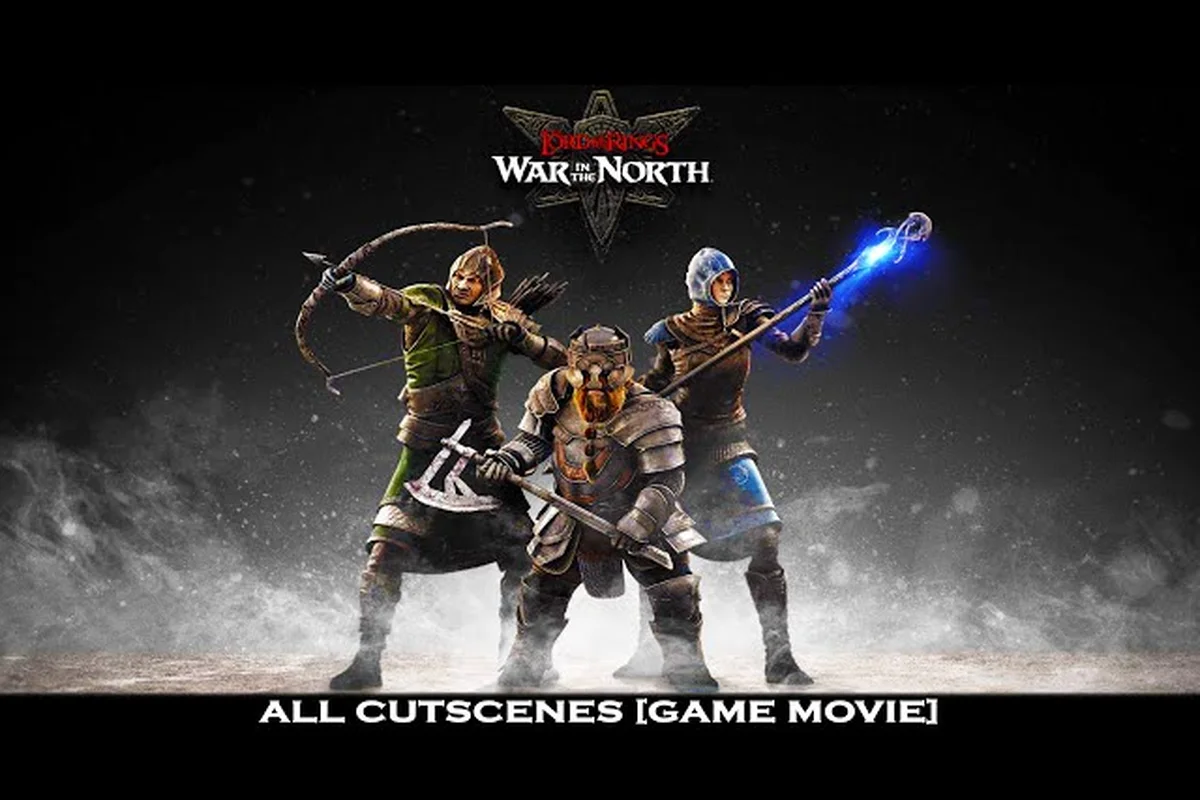
War in the North lore: story explained with timeline
Dive into War in the North lore with a full story summary. Understand Agandaûr's backstory, the Black Númenórean threat, and how the game fits Tolkien's canon.
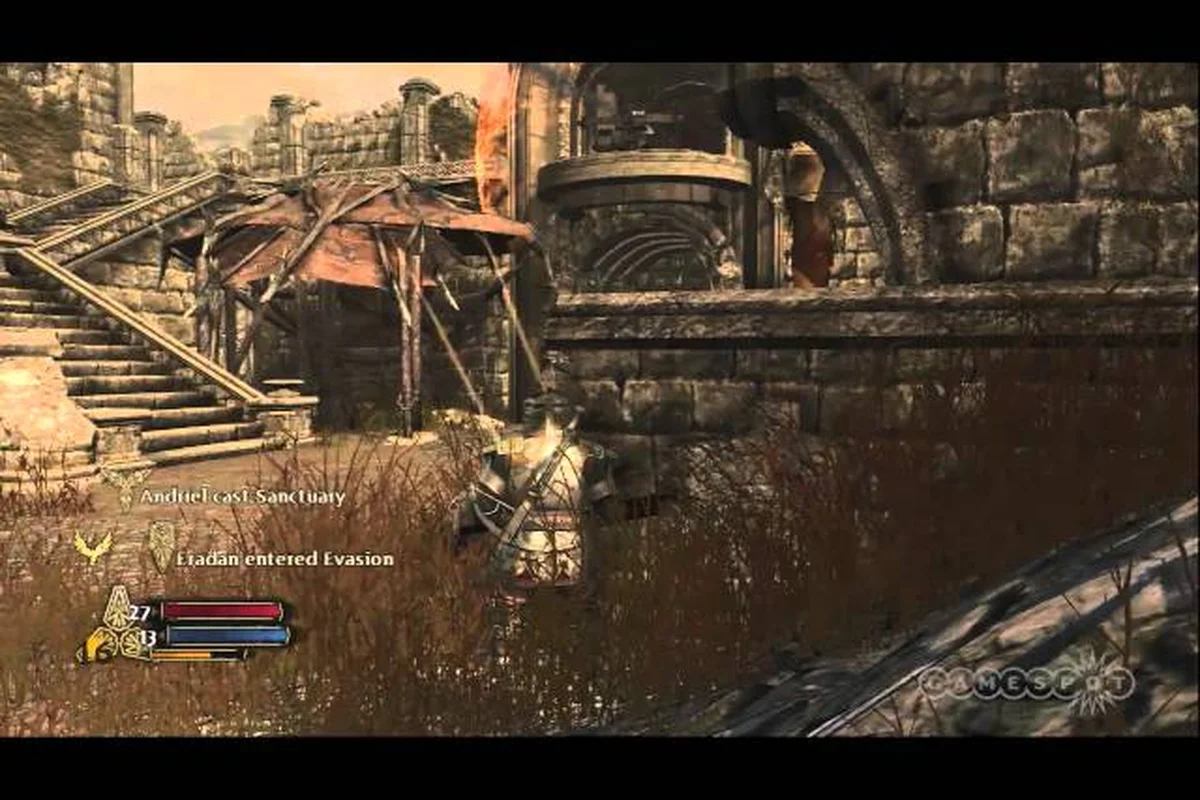
War in the North Fornost lore: Angmar and Dúnedain
Explore War in the North Fornost lore and Angmar's dark past. Meet the Dúnedain, uncover Sauron's northern forces, and see how Fornost fits Tolkien's expanded.
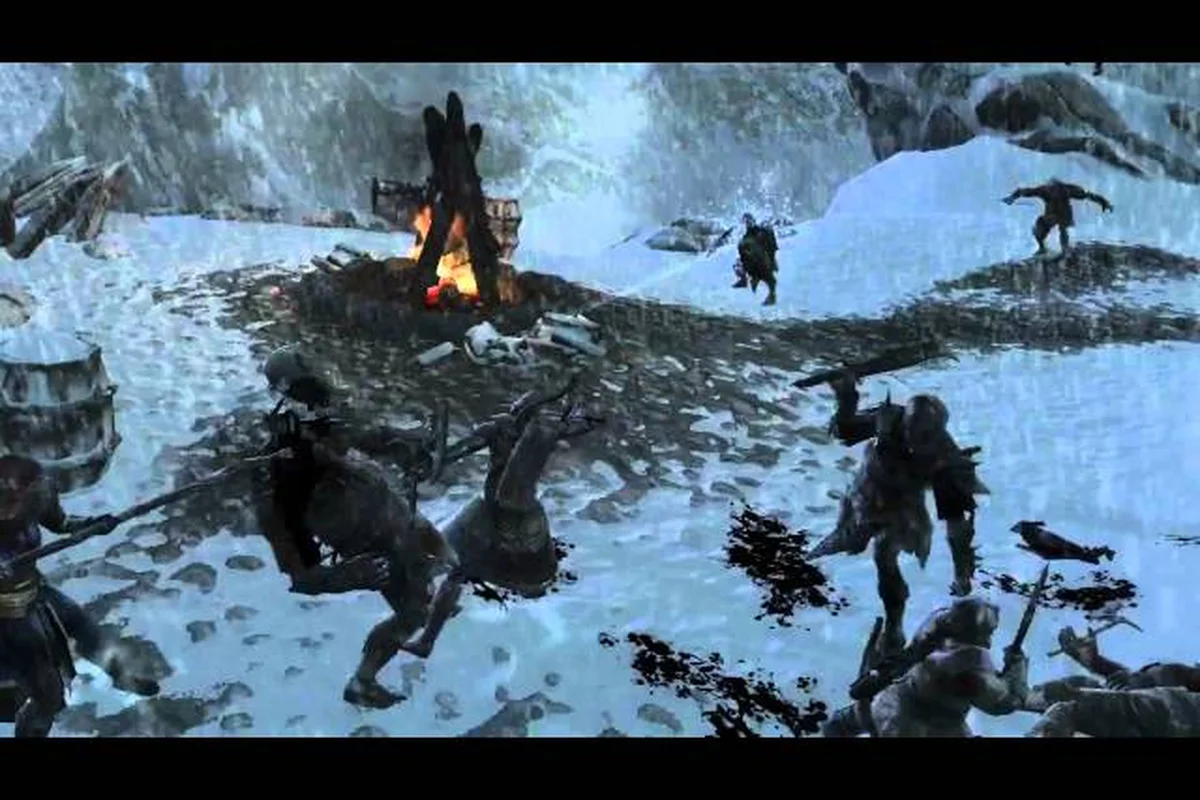
War in the North Gundabad lore: canon and continuity
Understand War in the North Gundabad lore and the game's canon status. See how Mount Gundabad, the Ettenmoors, and Nordinbad fit Tolkien's legendarium.
All Articles
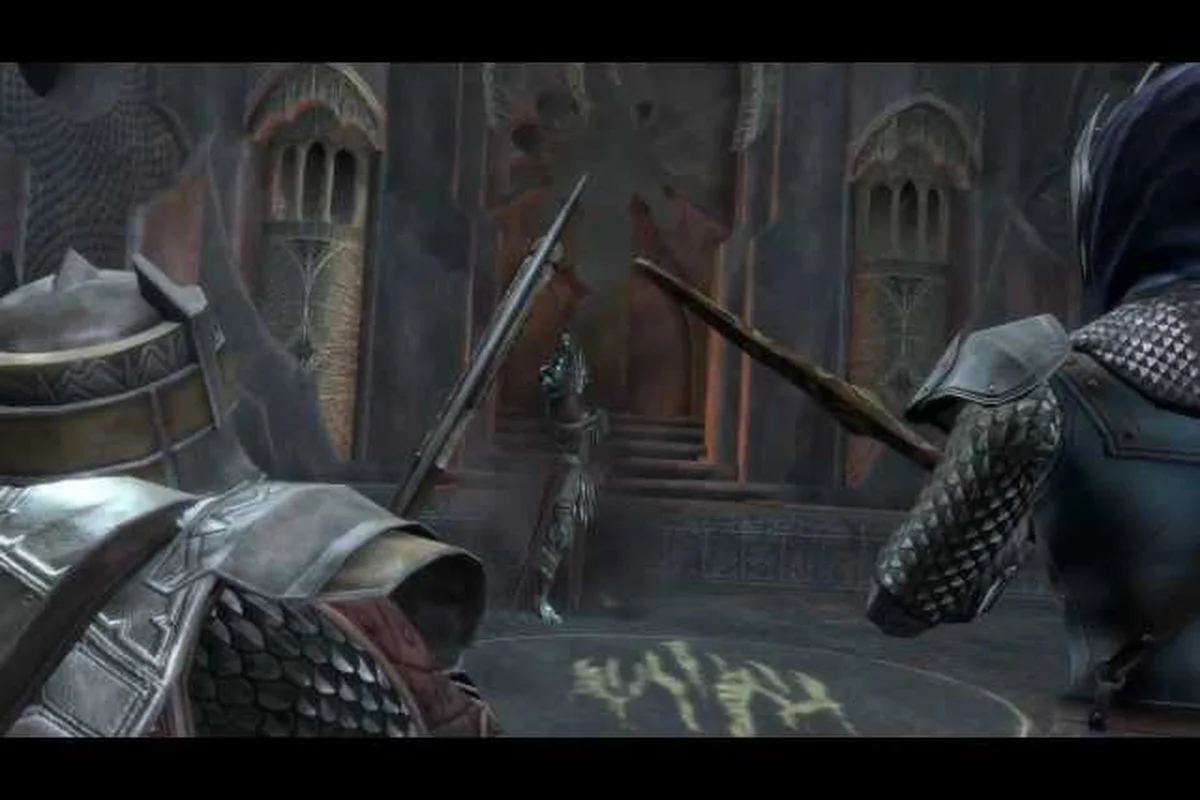
War in the North Agandaûr explained: Black Númenórean
Learn War in the North Agandaûr explained: a Black Númenórean commander serving Sauron. Discover his Carn Dûm operations, dragon alliance, and role.
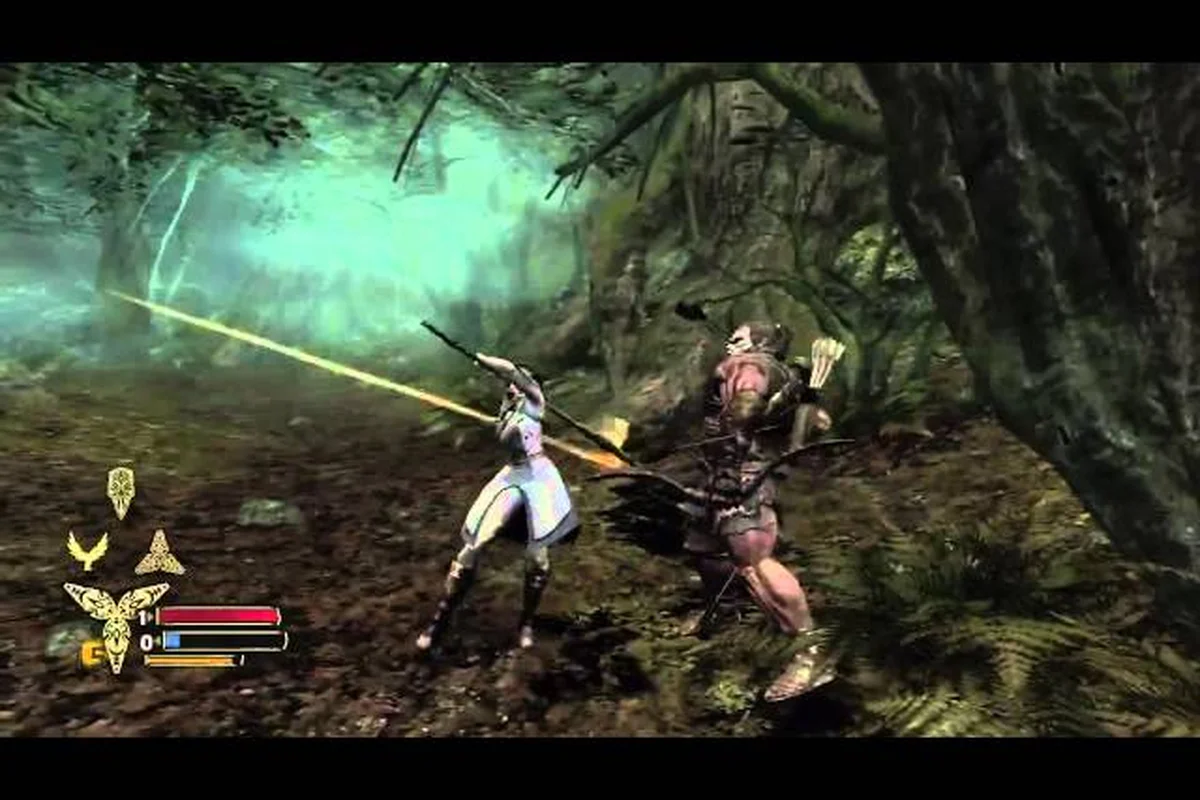
War in the North Andriel lore: Rivendell loremaster
Explore War in the North Andriel lore, the elven loremaster from Rivendell. Discover her backstory, ties to Gandalf, and how she fits the northern war.
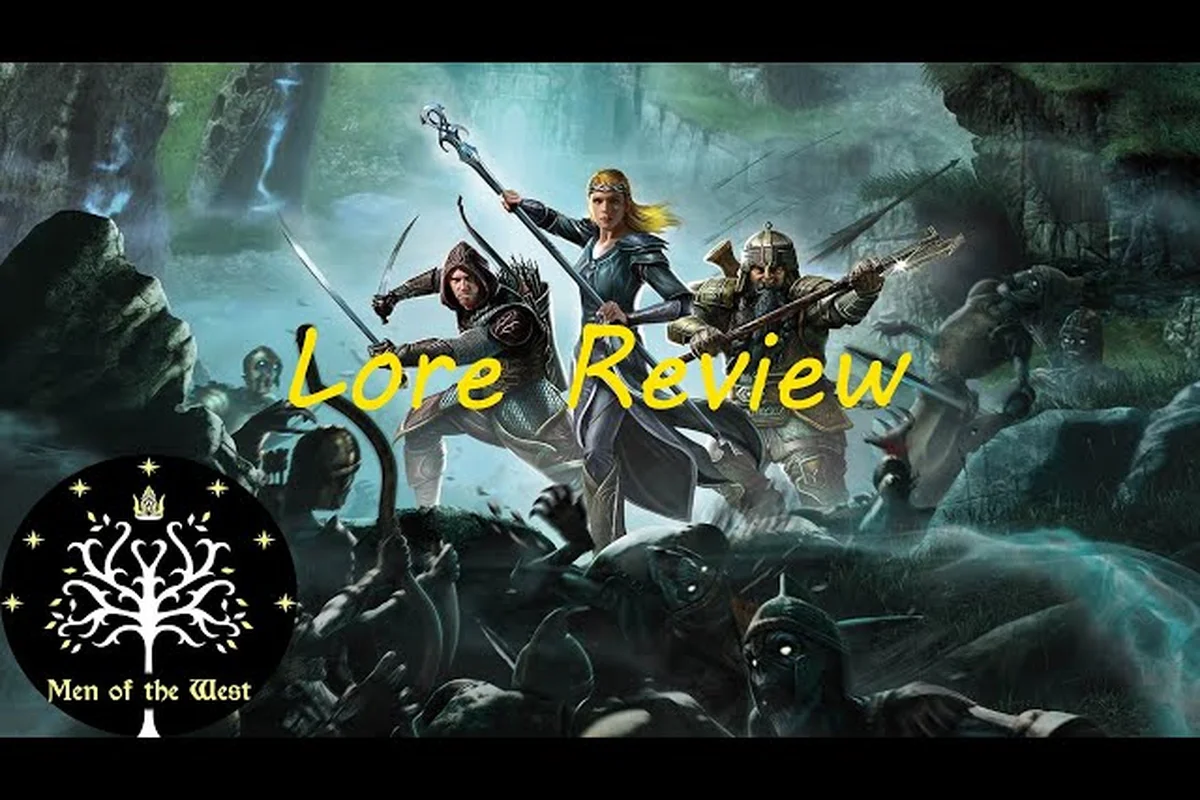
War in the North books vs game: canon differences guide
Compare War in the North books vs game, from Gandalf's Return of the King line to Appendix A. Learn what is canon and what is invented for the story.
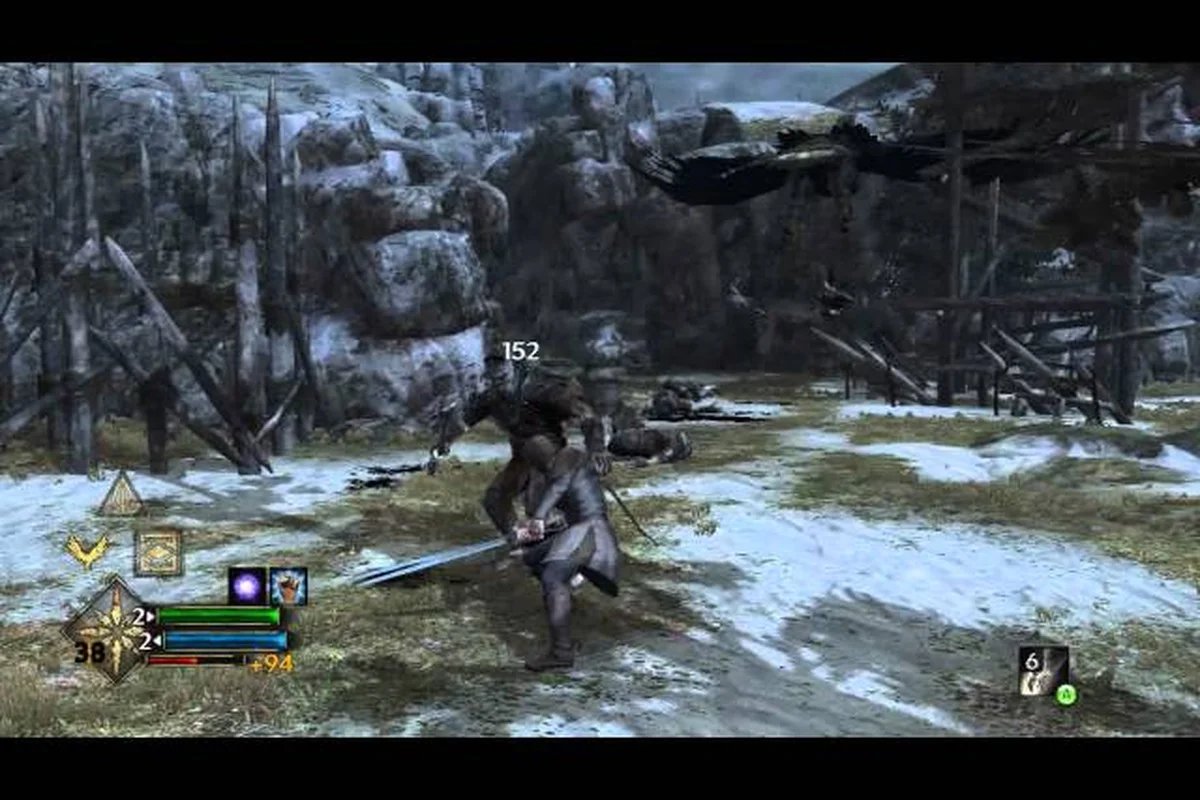
War in the North Beleram lore: Great Eagle's role guide
Understand War in the North Beleram lore, the Great Eagle companion. Learn his bond with Eradan, limited summons, and his role in the ending.